WASHINGTON, D.C. — In a dramatic turn of events, Senate Republicans employed a seldom-used parliamentary maneuver to defeat a bipartisan resolution aimed at restricting President Donald Trump’s war powers authority over Venezuela. The move came after several key Republican senators reversed their earlier support for the measure, handing Trump a significant victory in the Senate.
Last week, five Senate Republicans joined all Senate Democrats to advance the resolution introduced by Senator Tim Kaine (D-Va.), which sought to rein in the president’s ability to unilaterally engage U.S. military forces in Venezuela. The resolution reflected growing congressional concern over escalating tensions in the region and the administration’s approach to the crisis.
However, the bipartisan momentum was abruptly halted when Senators Josh Hawley and Todd Young, both Republicans, flipped their votes following assurances from the administration. Their reversal, along with others, enabled Senate Majority Leader John Thune and the GOP to invoke a rarely deployed Senate procedure to nullify the resolution. The final vote tally was 51-50, with Vice President J.D. Vance casting the tie-breaking vote in favor of preserving Trump’s authority.
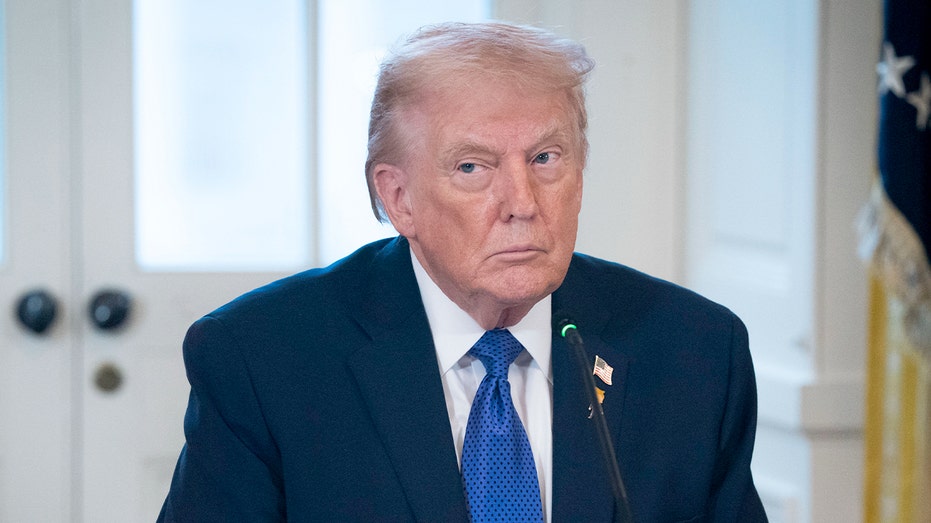
This parliamentary tactic, previously used by Senate Democrats in a similar context, effectively killed the bipartisan effort. President Trump expressed his fury over the initial passage of the resolution, condemning the Republicans who supported it and asserting that they “should never be elected to office again.”
Experts note that the use of such procedural tools underscores the high stakes involved in war powers debates and the Senate’s complex rules. The Constitution grants Congress the power to declare war, but presidents have often exercised broad authority to conduct military operations, especially in volatile regions like Venezuela.
Venezuela’s ongoing political turmoil has drawn intense U.S. scrutiny. The Trump administration has maintained a hardline stance against the regime of Nicolás Maduro, citing human rights abuses and regional instability. The Senate’s resolution was seen as an attempt to reassert congressional oversight over military engagements, aligning with the principles outlined in the War Powers Resolution of 1973.
Senator Kaine and other proponents of the measure argued that unchecked executive power risks entangling the United States in prolonged conflicts without adequate legislative input. Critics of the resolution, including the White House, contended that swift executive action is necessary to respond effectively to international crises.
The Senate’s decision has significant implications for U.S. foreign policy and the balance of powers between the executive and legislative branches. The episode also highlights the deep partisan and intra-party divisions over how best to address the Venezuela situation.
For more on the Senate’s role in war powers and military oversight, visit the U.S. Senate War Powers Briefing. The White House Statements and Releases provide ongoing updates on the administration’s position.
As the debate continues, the Senate’s rare procedural intervention marks a pivotal moment in the ongoing struggle over presidential authority and congressional oversight in matters of war and peace.