
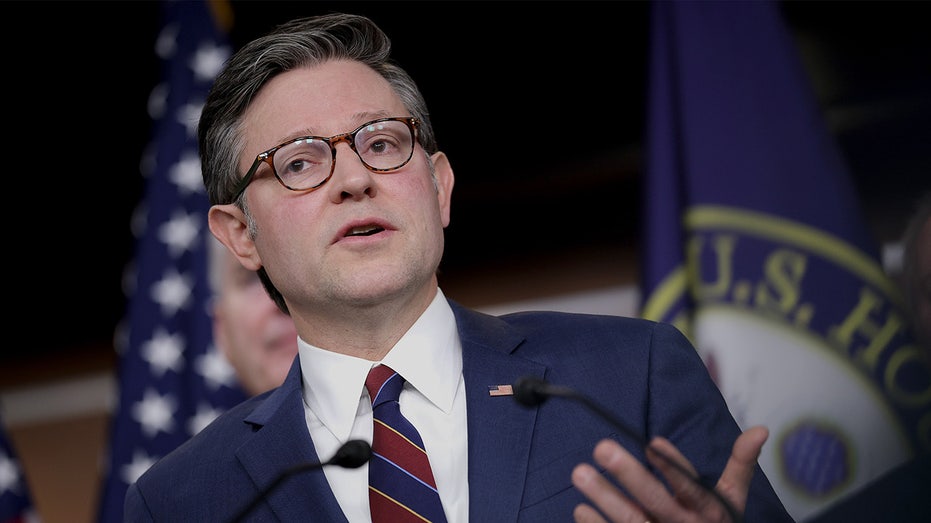
WASHINGTON, D.C. — As the partial government shutdown entered its third day on Monday, House Speaker Mike Johnson expressed optimism that the impasse could be resolved by Tuesday. The shutdown, which began late last week, centers largely on opposition from Democrats to funding for the Department of Homeland Security (DHS), a key sticking point in ongoing budget negotiations.
The House of Representatives was poised to take up the Senate’s federal funding compromise later Monday afternoon, with the House Rules Committee scheduled to meet at 4 p.m. EST to consider the legislation. This step is critical to allowing the bill to proceed to a full House vote, which Speaker Johnson indicated could occur as soon as Tuesday, potentially ending the shutdown.
The shutdown has already had tangible effects on federal operations. Nearly 14,000 air traffic controllers, employed by the Department of Transportation, reported to work on Monday without receiving pay, underscoring the disruption caused by the funding lapse. The DOT, like many agencies, has been caught in the crossfire of political disagreements in Washington.
Speaker Johnson, a Republican from Louisiana, told Fox News Sunday that he was hopeful the government shutdown would be brief. House Republicans had initially hoped to expedite the process by suspending certain procedural rules to fast-track the spending bill. However, the opposition from Democrats regarding DHS funding complicated those plans, requiring the House to follow the standard legislative process.
The disagreement over DHS funding reflects broader partisan tensions surrounding immigration and border security policies. Democrats have resisted provisions they view as undermining immigrant protections, while Republicans have pushed for increased funding and enforcement measures. The impasse has stalled the passage of a comprehensive funding package, leaving many federal employees furloughed or working without pay.
According to official sources, the Senate had previously reached a compromise on federal funding, but the package sacrificed the contentious DHS spending bill to secure broader bipartisan support. The House’s consideration of this compromise is a critical juncture in ending the shutdown.
The ongoing shutdown highlights the challenges Congress faces in passing timely appropriations bills. While government shutdowns have become less frequent in recent years, their disruptive effects remain significant, impacting federal workers, services, and the broader economy.
For the latest updates on government operations and funding, visit the U.S. Congress official site and the USA.gov shutdown resource page. The public can also find information on how the shutdown affects specific agencies through the Office of Personnel Management.
As lawmakers prepare to resume negotiations, the nation watches closely for a resolution that will restore full government functions and alleviate the financial strain on federal employees and the public alike.