
WASHINGTON, D.C. — The Biden administration’s recent purchase of a pulsed energy weapon suspected to be connected to the enigmatic “Havana Syndrome” has sparked intense scrutiny from House Republicans, who are demanding transparency regarding the acquisition and subsequent Pentagon testing. The device, reportedly containing Russian components, was acquired late in the Biden administration and has since undergone over a year of evaluation by the Department of Defense.
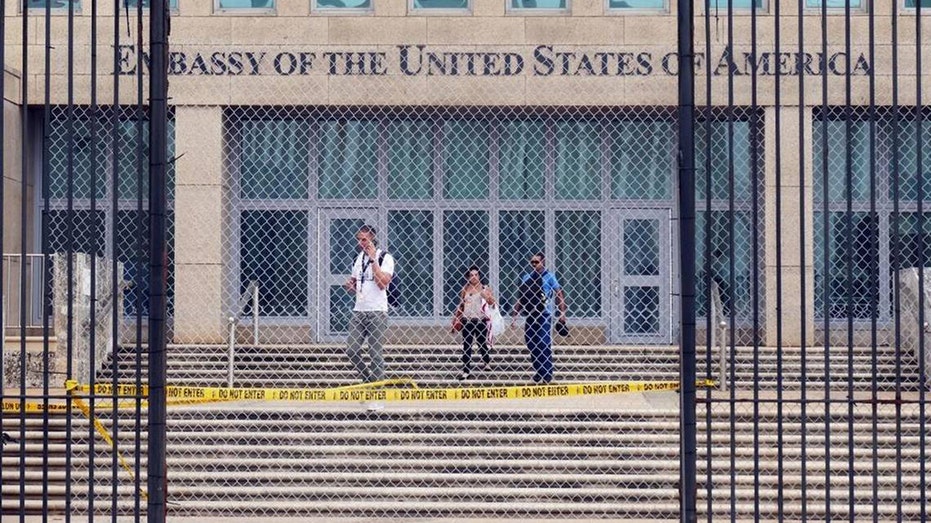
Havana Syndrome, officially termed Anomalous Health Incidents (AHI), first emerged in 2016 when U.S. diplomats and intelligence officers stationed in Cuba began reporting a range of debilitating symptoms including headaches, dizziness, and cognitive difficulties. The mysterious illness has since been documented in multiple countries, raising concerns about the use of directed energy weapons or other covert technologies against American personnel.
House Committee on Homeland Security Chairman Andrew Garbarino, a Republican from New York, addressed a letter to the Department of Homeland Security demanding detailed information about the procurement process, costs, and the results of the Pentagon’s extensive testing. The letter underscores the urgency for congressional oversight amid fears that the weapon could pose a significant risk if not properly controlled.
According to sources familiar with the matter, the weapon emits pulsed radio waves, a technology long suspected to be behind the health incidents reported by affected U.S. government workers. The Pentagon’s year-long testing aimed to better understand the device’s capabilities and potential effects on human health, but the findings have not been publicly disclosed.
The controversy surrounding the weapon’s origin, particularly its Russian components, adds a geopolitical dimension to the inquiry. It raises questions about how such technology was acquired and whether it could be repurposed or countered in the ongoing struggle against foreign adversaries. The Department of Defense has maintained a cautious stance, emphasizing the need for rigorous scientific evaluation and interagency coordination.
Experts have noted the challenges in conclusively linking Havana Syndrome symptoms to any single cause, with some intelligence community assessments suggesting foreign adversaries are “very unlikely” to be responsible. However, the purchase of this weapon by a U.S. agency indicates a shift toward exploring advanced countermeasures and understanding the threat landscape more comprehensively.
The House Republicans’ demand for answers reflects broader congressional concerns about national security and the protection of U.S. personnel abroad. It also highlights the need for transparency in government acquisitions, especially when dealing with sensitive technologies that could have far-reaching implications.
Further complicating the issue, the National Institutes of Health recently ended a study on Havana Syndrome amid allegations of coercion, illustrating the difficulties in researching this complex phenomenon. Meanwhile, the Centers for Disease Control and Prevention continues to monitor health reports related to AHI.
As the investigation unfolds, lawmakers and officials will be watching closely to ensure that any deployment or possession of such technology aligns with legal, ethical, and security standards. The Biden administration has yet to publicly comment on the acquisition or the ongoing Pentagon testing, leaving many questions unanswered about the future handling of this enigmatic weapon.