
WASHINGTON, D.C. — Nearly one in four adults over the age of 50 may harbor a hidden brain condition that significantly raises their risk of developing dementia, even in the absence of stroke, according to a new study released by the American Heart Association. The disorder, known as cerebral amyloid angiopathy (CAA), involves the buildup of amyloid proteins in the blood vessels of the brain, which weakens them and can eventually impair cognitive function.
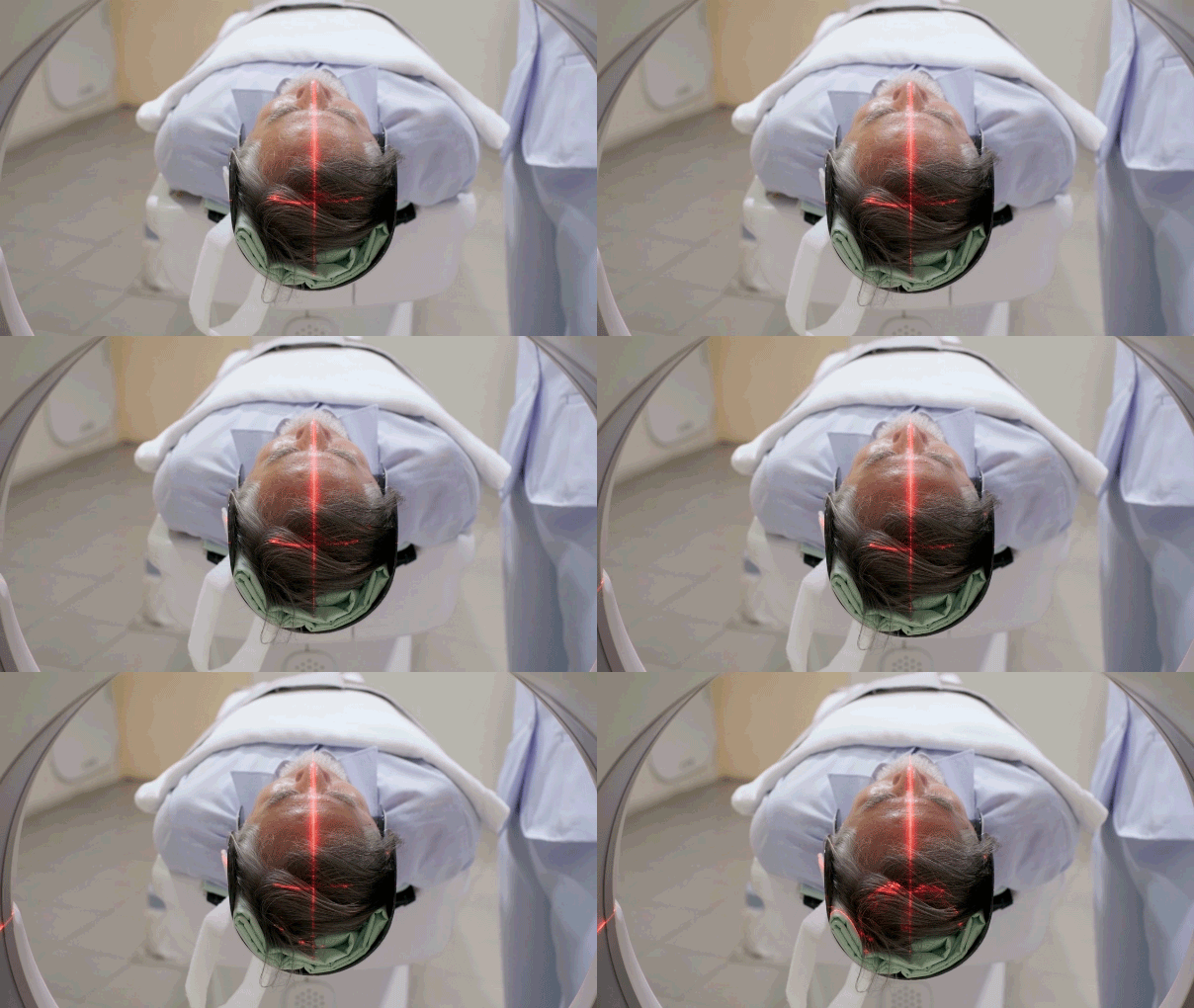
CAA often goes undetected because it typically causes few or no symptoms in its early stages. However, when the protein accumulation progresses, it can be identified through advanced imaging techniques such as magnetic resonance imaging (MRI) or positron emission tomography (PET) scans. In severe cases, the condition can lead to strokes, further complicating patients’ health.
Researchers analyzed health records of nearly two million Medicare beneficiaries aged 65 and older, spanning from 2016 to 2022. Participants were categorized based on whether they had CAA, a history of stroke, both, or neither. The study found that 42% of individuals diagnosed with CAA developed dementia within five years, compared to just 10% of those without the condition, representing a roughly fourfold increase in risk.
“This study highlights the importance of recognizing cerebral amyloid angiopathy as a significant risk factor for dementia,” said Dr. Marc Siegel, a senior medical analyst. “Since the condition can be silent for years, increased awareness and early detection through imaging could be crucial in managing cognitive decline.”
According to the American Heart Association, CAA affects approximately 23% to 29% of adults over 50 with moderate to severe forms of the disorder. The Cleveland Clinic also notes that the protein buildup characteristic of CAA weakens cerebral blood vessels, making them prone to rupture and contributing to cognitive impairment.
The study’s findings underscore the growing need for healthcare providers to consider CAA when evaluating older adults for dementia risk. The National Institute on Aging emphasizes that while Alzheimer’s disease remains the most common form of dementia, vascular contributions such as those from CAA play a substantial role in cognitive decline.
Experts suggest that routine screening for CAA in older adults, especially those showing early signs of cognitive impairment, could lead to earlier interventions. While no cure currently exists for CAA, managing vascular health and preventing strokes remain critical strategies.
In addition to the American Heart Association, the Centers for Disease Control and Prevention provide resources on dementia prevention and highlight the importance of controlling risk factors such as hypertension and diabetes, which may exacerbate vascular conditions like CAA.
As the population ages, the burden of dementia is expected to rise dramatically. This study adds to a growing body of research aimed at identifying hidden contributors to cognitive decline, offering hope that earlier diagnosis and targeted care could slow the progression of dementia in millions of older adults.