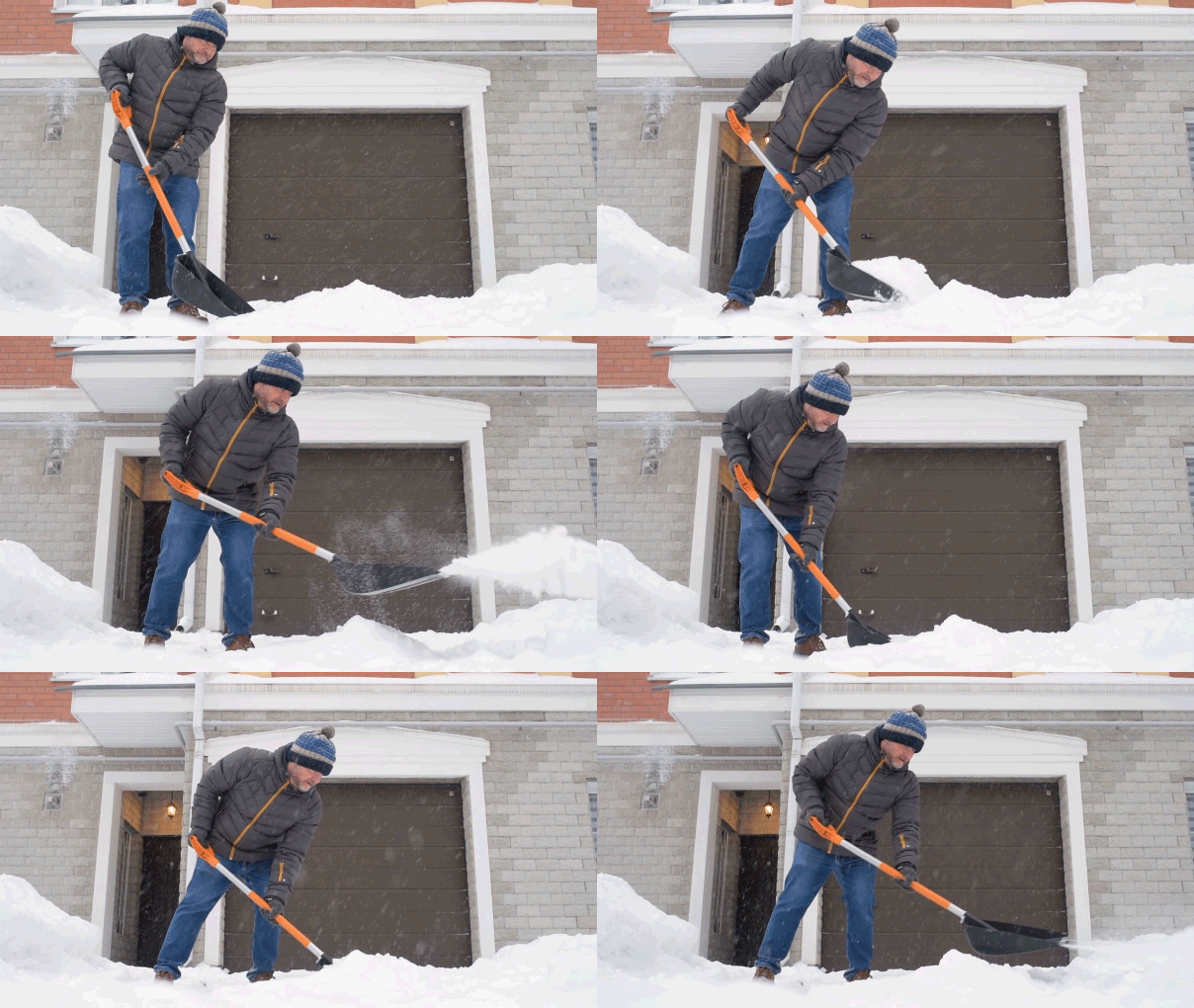
MOUNT KISCO, N.Y. — As a major winter storm blankets much of the country in snow, health experts are raising alarms about the cardiovascular risks posed by snow shoveling, especially for adults over 45. Cardiologists caution that the physical exertion combined with cold temperatures can place significant strain on the heart, comparable to the stress induced during cardiac stress tests.
A 2025 review by the Mayo Clinic found that just 10 minutes of heavy snow shoveling can push the heart rate to approximately 97% of its maximum, a level of exertion that can be dangerous for those with underlying heart conditions or who are less physically active. Cold air exposure further exacerbates risks by constricting blood vessels, increasing blood pressure, and reducing coronary blood flow.
Dr. Navjot Kaur Sobti, an interventional cardiologist at Northwell Health’s Northern Westchester Hospital, emphasized the importance of caution for individuals over 45. “While there’s no strict age cutoff, generally above the age of mid-40s and above, we tend to be a little more cautious — particularly in people who are less active and don’t engage in regular exercise,” she said.
The American Heart Association notes that sudden intense physical activity in cold weather can trigger heart attacks or other cardiac events, especially in those with preexisting cardiovascular disease. Shoveling snow combines strenuous physical effort with cold-induced physiological stress, making it a risky activity for vulnerable populations.
Experts recommend several strategies to reduce risk. These include warming up before shoveling, taking frequent breaks, dressing warmly to maintain body heat, and avoiding alcohol consumption prior to exertion. Using ergonomic shovels and pushing snow rather than lifting can also minimize strain.
Recognizing warning signs is critical. Symptoms such as chest pain, shortness of breath, dizziness, or palpitations during or after shoveling should prompt immediate medical attention. The Centers for Disease Control and Prevention advises that individuals with heart disease consult their doctors before engaging in snow removal.
With winter storms expected to continue, public health officials urge older adults and those with cardiovascular risk factors to consider alternatives to shoveling, such as hiring professional snow removal services or seeking help from family and neighbors. The National Weather Service also recommends staying indoors during severe weather and preparing in advance to avoid emergency situations.
As the nation braces for ongoing winter weather, these precautions could be lifesaving for many. Understanding the hidden dangers of snow shoveling and adopting safer practices can help protect heart health during the coldest months of the year.