
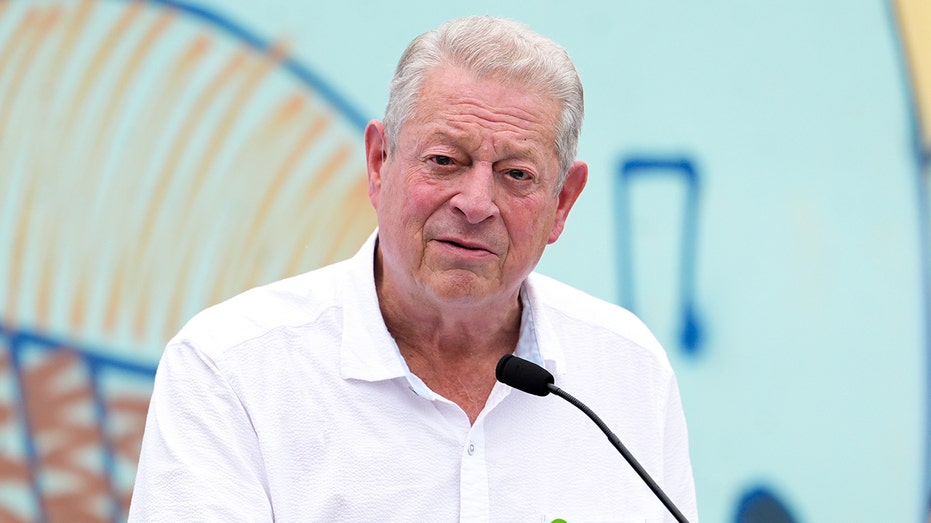
WASHINGTON, D.C. — Former Vice President Al Gore sharply criticized President Donald Trump’s recent decision to withdraw the United States from key United Nations climate-related initiatives, calling the move a dangerous setback in the fight against what Gore described as “the most significant challenge of our lifetimes.” In a statement posted on the social media platform X, Gore emphasized the critical role of international bodies such as the Intergovernmental Panel on Climate Change (IPCC) and the United Nations Framework Convention on Climate Change (UNFCCC) in coordinating global efforts to address climate change. “The ongoing work of the IPCC, UNFCCC, and other global institutions remains essential to safeguarding humanity’s future,” Gore asserted.
President Trump issued a memorandum ordering the withdrawal of the U.S. from these organizations, along with several others, citing concerns that participation was “contrary to the interests of the United States.” The memorandum controversially categorized the IPCC as a “Non-United Nations Organization,” despite the IPCC’s official status as a United Nations body dedicated to assessing climate science. The decision is part of a broader effort by the Trump administration to reduce U.S. involvement in international organizations, which Secretary of State Marco Rubio described as a shift away from what he called a “sprawling architecture of global governance, often dominated by progressive ideology and detached from national interests.”
Gore, who served as vice president during the Clinton administration and has long been a prominent advocate for climate action, condemned the move as undermining decades of diplomatic progress. “By withdrawing from the IPCC, UNFCCC, and the other vital international partnerships, the Trump Administration is undoing decades of hard-won diplomacy, attempting to undermine climate science, and sowing distrust around the world,” he wrote. His remarks come amid growing concerns among scientists and environmentalists that the U.S. retreat from global climate agreements could hamper efforts to limit greenhouse gas emissions and mitigate the impacts of climate change.
The IPCC and UNFCCC have played pivotal roles in shaping international climate policy, including the landmark Paris Agreement, which the U.S. initially joined before announcing its withdrawal under the Trump administration in 2017. The recent memorandum extends this trajectory by severing ties with the scientific and policy frameworks that inform global climate action. Experts warn that this could isolate the U.S. from vital data sharing and collaborative research efforts.
Environmental advocates argue that the Trump administration’s decision contradicts the urgent calls from the scientific community. According to the Environmental Protection Agency, climate change poses significant risks to public health, national security, and the economy. The withdrawal also raises questions about the U.S.’s role in future international climate negotiations and its commitment to reducing carbon emissions.
The move has sparked debate across political lines, with supporters of the administration praising the effort as a reclaiming of national sovereignty and critics warning of long-term consequences. As the global community continues to grapple with rising temperatures and extreme weather events, the U.S.’s disengagement from these foundational climate institutions marks a pivotal moment in international environmental policy.
For now, the Trump administration maintains that its actions reflect a prioritization of American interests, but the decision has drawn widespread scrutiny from scientists, diplomats, and former officials like Gore who stress the importance of global cooperation in addressing the climate crisis.