
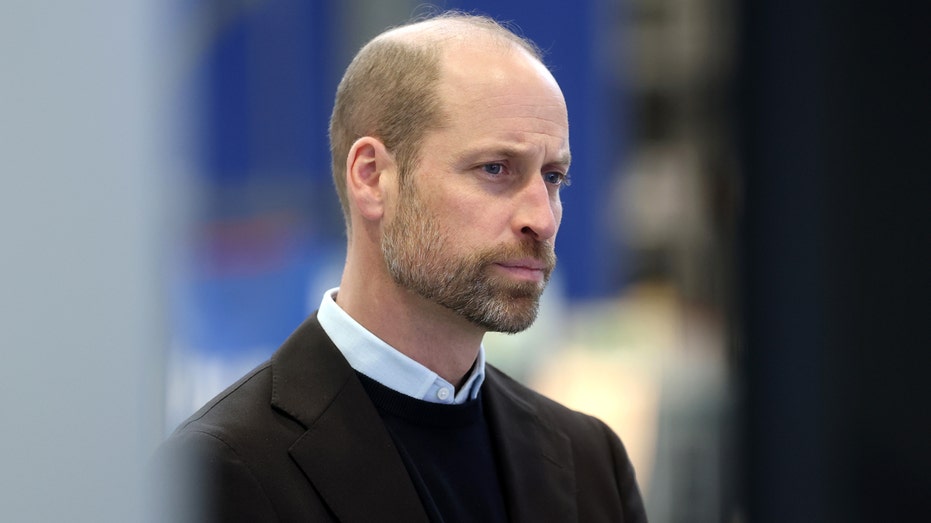
WINDSOR, England — Prince William, the future king of the United Kingdom, has reluctantly abandoned one of his well-known hobbies after relocating to Forest Lodge within Windsor Great Park. The royal estate enforces a strict prohibition on motorized vehicles, including electric scooters, a mode of transport the 43-year-old prince frequently used around Windsor Castle.
According to the official Windsor Great Park website, “For reasons of safety and traffic management, we do not allow motorised transport within the Park. Aside from cyclists, the roads are reserved for residents and Estate workers.” This policy means that Prince William must now forgo his electric scooter, a convenience he had enjoyed for years.
Royal experts have noted that the prince’s compliance with the ban is consistent with his reputation for modesty and lack of diva behavior. Rather than resisting the change, he is expected to embrace the rules of his new home with ease. This attitude aligns with his public image as a grounded and responsible figure within the royal family.
Prince William’s move to Forest Lodge marks a significant transition. The residence is situated deep within the 5,000-acre Windsor Great Park, a historic royal park that has long been protected for its natural beauty and heritage. The park’s regulations aim to preserve the environment and ensure the safety of all residents and visitors, which includes limiting motorized traffic.
While the prince’s electric scooter was a practical and environmentally friendly way to navigate the grounds around Windsor Castle, the new restrictions underscore the balance between royal privilege and stewardship of protected lands. The Royal Parks Authority manages these regulations to maintain the park’s tranquility and ecological health.
Prince William’s wife, Catherine, Princess of Wales, has also embraced a lifestyle connected to the outdoors, fueling a “rural renaissance” in the royal family’s public image. Her love for nature and outdoor activities complements the couple’s new life within Windsor Great Park, where they can enjoy the expansive natural surroundings without the distractions of motorized vehicles.
The prince’s adjustment to the ban on motorized transport reflects a broader trend among royals to engage with environmental and conservation efforts. The Department for Environment, Food & Rural Affairs has emphasized the importance of sustainable practices in preserving the UK’s natural heritage, a message echoed by members of the royal family.
Observers have highlighted that Prince William’s willingness to give up his electric scooter without complaint reinforces his image as a relatable and conscientious public figure. His actions contrast with the stereotypical image of royalty being detached from everyday concerns, instead showing a commitment to respecting the rules that protect the community and environment.
As the heir apparent settles into his new home, his lifestyle changes serve as a reminder of the responsibilities that come with living on protected royal land. The Crown Estate, which oversees many royal properties, supports such measures to ensure that historic sites like Windsor Great Park remain preserved for future generations.
Prince William’s adaptation to these new rules may also influence public attitudes toward environmental stewardship and responsible living. His example could encourage others to consider the impact of their transportation choices, especially in sensitive natural areas.
Though he must now find alternative ways to move around Forest Lodge, royal insiders expect that Prince William will continue to engage with his surroundings actively and responsibly, embodying the values of modern monarchy in the 21st century.