
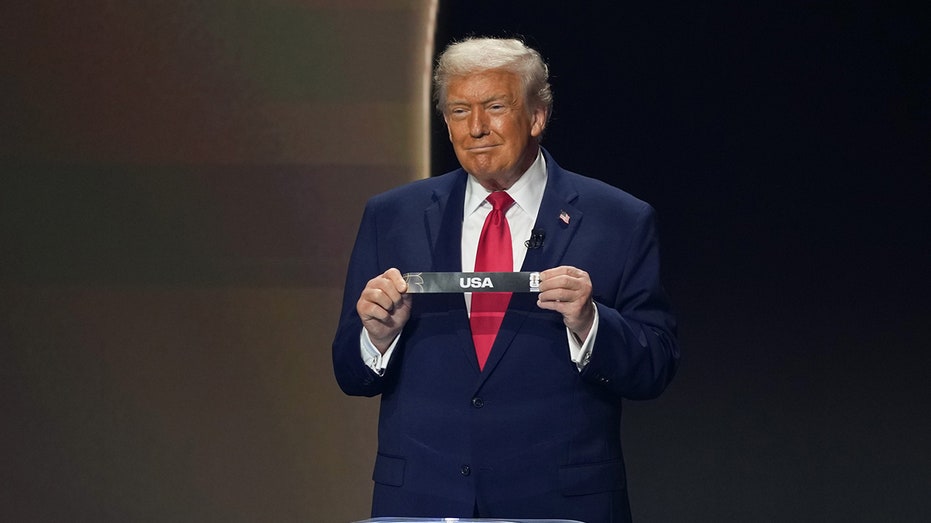
WASHINGTON, D.C. — The U.S. State Department has clarified that major international sporting events, including the 2026 FIFA World Cup and the 2028 Summer Olympics, will be exempt from the Trump administration’s sweeping visa ban affecting travelers from 39 countries. This move allows athletes, coaches, and support staff from these nations to enter the United States to participate in competitions despite the ongoing restrictions.
In a cable distributed to all U.S. embassies and consulates on January 15, the State Department detailed that exemptions apply not only to the World Cup and Olympics but also to events sanctioned by a broad array of collegiate and professional sports leagues. The directive ensures that participants in these major sporting events can obtain visas and travel without facing the full impact of the restrictions imposed under the 2017 executive order.
However, the exemption is narrowly tailored. Foreign spectators, media personnel, and corporate sponsors wishing to attend these events remain subject to the visa ban unless they qualify for other exceptions. The department emphasized that only a “small subset of travelers” connected directly to the competitions will be eligible for the exemption.
The visa ban, which targets citizens from countries including Iran, North Korea, Syria, and Venezuela, among others, has been a subject of controversy since its inception. Critics have argued that the restrictions hamper international engagement and complicate diplomatic relations. Supporters contend the ban is necessary for national security.
The State Department’s announcement comes as the United States prepares to host the 2026 World Cup across multiple cities and the 2028 Olympics in Los Angeles, events expected to draw thousands of international athletes and officials. The exemptions aim to facilitate smooth participation for competitors while maintaining the administration’s broader immigration policies.
Travelers impacted by the ban have been advised to review guidance issued by the Bureau of Consular Affairs and to consult with U.S. embassies regarding visa eligibility. Meanwhile, the Department of Homeland Security continues to enforce the travel restrictions, which remain in place for the general public from the affected countries.
Sports organizations and advocacy groups have welcomed the exemptions as a positive step toward preserving the integrity of international competitions. The United States Olympic & Paralympic Committee confirmed its commitment to ensuring athletes from all eligible nations can compete without undue barriers.
As the U.S. gears up for these globally significant sporting events, the balance between security concerns and international cooperation remains a focal point of policy discussions. The State Department’s latest guidance underscores the administration’s intent to accommodate elite athletes while maintaining stringent visa controls for others.
For more information on visa policies and exemptions, travelers can visit the official U.S. Department of State website.